
Structures Removed for Site Development
Demolition in Dickson for rural properties requiring structure removal before land clearing or new construction
Rural Franklin-area development often starts with removing old barns, sheds, or deteriorated structures that occupy building sites or interfere with grading and excavation. Singleton Land Solutions coordinates demolition work as part of full site-development projects, tearing down existing structures and hauling debris to clear ground for new construction or land preparation. After demolition completes, the site is level and ready for excavation, utility trenching, or foundation work, with concrete slabs broken up and removed if they obstruct future grading.
Demolition work involves disconnecting utilities, dismantling structures in sections, and sorting debris into materials that haul separately—metal roofing and framing to scrap recyclers, wood and shingles to disposal sites, and concrete to crushing facilities. Equipment includes excavators for pulling structures apart, skid steers for loading debris, and trailers for hauling material off-site.
Request an on-site evaluation to assess structure condition and determine debris disposal requirements.
Why Structure Removal Happens Before Site Preparation
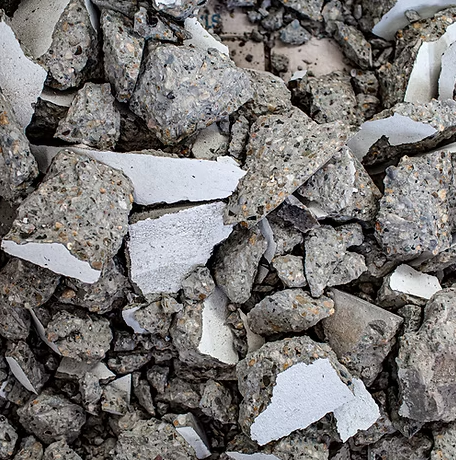
Demolition begins with utility disconnection—shutting off power, capping water lines, and marking septic or gas lines that run near the structure. Crews then dismantle roofing, siding, and framing in sections, separating salvageable material from waste. Foundations and concrete slabs get broken with hydraulic hammers or removed intact if they can lift without cracking, then hauled for disposal or crushing into aggregate for reuse as base material.
Once demolition finishes, you'll see cleared ground where the structure stood, with foundation remnants removed and the area graded to match surrounding terrain. Debris no longer obstructs access for excavation or utility work, and the site integrates with the rest of the property rather than remaining a distinct obstacle. Singleton Land Solutions handles demolition as part of broader site preparation, so excavation and grading begin immediately after debris hauls, reducing delays between project phases.
Larger structures may require multiple days to dismantle and haul, particularly if asbestos or lead paint testing is needed before demolition begins. Disposal costs vary based on material type—metal often generates scrap value that offsets hauling costs, while roofing and treated lumber require disposal fees at permitted facilities.
Questions Before Starting Your Demolition
Property owners planning demolition as part of site development often ask about utility disconnection, debris disposal, and timing relative to other site work.
What permits or inspections are required before demolition begins?
Most rural Tennessee counties require permits for structure demolition, and utilities must verify disconnection before work starts—this prevents accidental damage to active power, gas, or water lines that could delay the project or create safety hazards.
How does demolition integrate with excavation and land clearing?
Demolition typically happens first, clearing structures so excavation equipment can grade the site without navigating around buildings or hauling debris through active work zones where trenching or foundation prep is underway.
What happens to materials salvaged during demolition?
Metal roofing, framing, and appliances often go to scrap recyclers, generating value that offsets demolition costs, while lumber, shingles, and drywall haul to disposal facilities that charge by weight or volume.
Why does foundation removal matter for future site grading?
Concrete slabs and footings left in place create low spots that collect water or high spots that interfere with grading, and removing them ensures the site drains properly and provides a consistent base for new construction or landscaping.
When should demolition happen relative to weather or ground conditions?
Demolition can proceed in most weather, but debris hauling requires dry ground conditions so loaded trucks don't rut access roads or get stuck in mud—McEwen and surrounding rural areas often have unpaved drives that become impassable after heavy rain.
Singleton Land Solutions performs site demolition and structure removal across Franklin, McEwen, and Dickson, coordinating debris disposal and integrating demolition with excavation and land clearing for full site-development projects. Contact us to discuss demolition scope and schedule a property visit to evaluate structure condition and access for equipment and hauling.