
Overgrowth Cleared for Property Access
Brush Removal in Dickson for residential and rural properties where dense vegetation blocks development or maintenance access
Dense brush and saplings accumulate along fence lines, property boundaries, and unmaintained lots, restricting vehicle access and obscuring usable ground. Once removal finishes, the property opens up for grading, fencing, or landscaping, with stumps ground out and debris either hauled or chipped depending on volume and site access. Singleton Land Solutions removes brush and smaller trees using skid steers and hand crews, clearing vegetation down to ground level across residential properties and larger rural acreage in Franklin, Dickson, and surrounding areas.
Removal work targets undergrowth, volunteer trees, and woody plants that prevent mowing, grading, or construction access. Hand crews cut material close to the ground, while skid steers with grapple attachments pull root masses and pile debris for disposal or on-site chipping.
Schedule a site inspection to identify specific brush areas and determine disposal or mulching options.
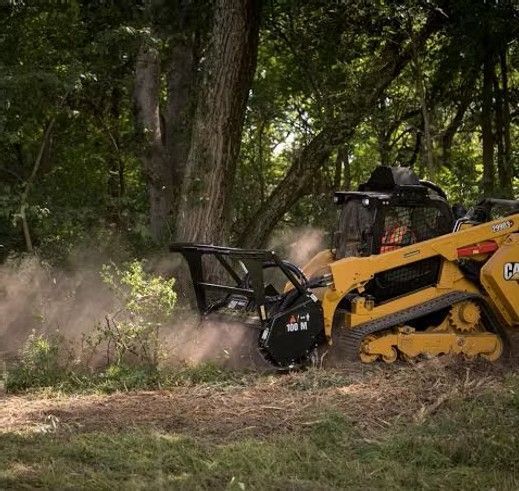
What You Notice Once Brush Clearing Is Finished
Crews begin by cutting smaller saplings and brush with chainsaws or clearing saws, piling material as they move across the property. Skid steers then push piles to a central location for chipping or loading onto trailers. Root balls get pulled from the ground so new growth doesn't sprout in the same locations, and the cleared area is raked or graded to remove debris that interferes with mowing or future planting.
After clearing, you'll see open ground where brush previously blocked access, clean fence lines that are easier to maintain, and sight lines across the property that reveal terrain features hidden by overgrowth. Equipment can reach areas that were previously inaccessible, and mowing or maintenance work no longer requires cutting around dense thickets or avoiding thorny undergrowth.
Projects on larger acreage may take several days depending on brush density and whether stumps require grinding. Debris disposal adds to project time if material must haul to a disposal site rather than chip on-site, particularly on properties where access roads can't accommodate loaded trailers or where local regulations restrict burning.
What Property Owners Usually Ask
Owners of rural and residential properties in Middle Tennessee frequently ask about removal methods, timing, and what happens to the cleared material after brush comes down.
What equipment handles brush removal most efficiently on smaller properties?
Skid steers with grapple attachments pull root masses and move debris piles quickly, while hand crews with clearing saws cut through dense thickets and navigate around trees or structures that equipment can't reach without causing damage.
How deep do roots get removed during brush clearing?
Root balls typically get pulled to a depth of six to twelve inches, removing enough material to prevent immediate regrowth but leaving deeper roots that decompose over time—complete root removal requires stump grinding, which adds to project cost.
When should brush removal happen relative to other site work?
Brush clearing comes first in most development sequences, opening access for excavation equipment, utility installation, or fencing that requires clear ground and vehicle access along property boundaries.
Why does Ashland City-area brush removal often include debris chipping rather than hauling?
Rural properties near Ashland City and McEwen are often far from disposal sites, and chipping brush on-site into mulch eliminates hauling costs while producing material that can spread over exposed soil to control erosion and suppress weeds.
What site cleanup happens after brush and debris are removed?
Cleanup includes raking smaller twigs and leaves, grading ruts left by equipment, and spreading topsoil or seed over areas where root removal exposed bare dirt that could erode during storms.
Singleton Land Solutions removes brush from residential properties to larger rural acreage across Franklin, Dickson, and Pleasant View, using owned equipment to control timing and reduce mobilization delays. Arrange a property visit to review brush density and access routes for equipment and debris disposal.